
Generative Art Timeline · Chapter 1: Pre-Modern Era (Pre-1850)
1330
Richard of Wallingford Designs the St Albans Astronomical Clock
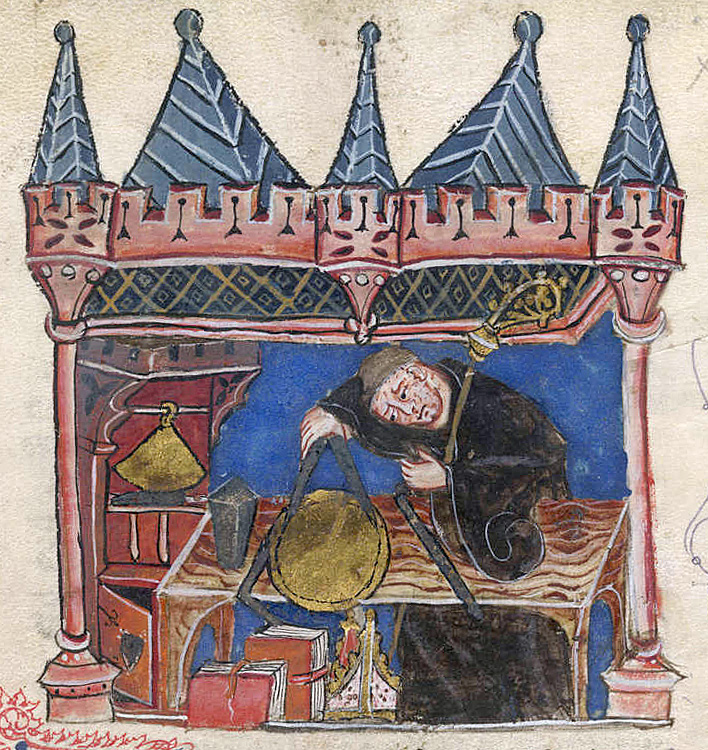
Englishman Richard of Wallingford designs the St Albans astronomical clock, an early clockwork machine. An example of a generative process predating the computer, the art of creating clockwork figures became more refined during the Renaissance period, from the 15th to the 17th century, when some of the most complex and intricate automata were created.
Text by Peter Bauman. Generative Art Timeline, Le Random.
Sources
People
Richard of Wallingford
Movements
cybernetics, Automata
Filed under
- Ideas
- astronomy, generative art
- Technologies
- clockwork, St Albans Astronomical Clock, timekeeping
- People
- Richard of Wallingford
- Places
- England, St Albans
Echoes across time
- 1968 · Beyond Modern Sculpture: The Effects of Science and Technology on the Sculpture of Our Time by Jack Burnham
- 1968 · "On the Path to Computer Art” by the Parallel Group
- 1951 · Edmund C. Berkeley Begins Publishing Computers and Automation
Le Random editorials
Le Random podcast
- Timeline Ch 1—Pre-Modern Era with Marius Watz — listen with transcript on Le Random (06 Jul 2023, 46 min). Chapter 1’s episode. Apple Podcasts · Spotify