
Generative Art Timeline · Chapter 7: Net Era (1990s)
1995
Support Vector Machines
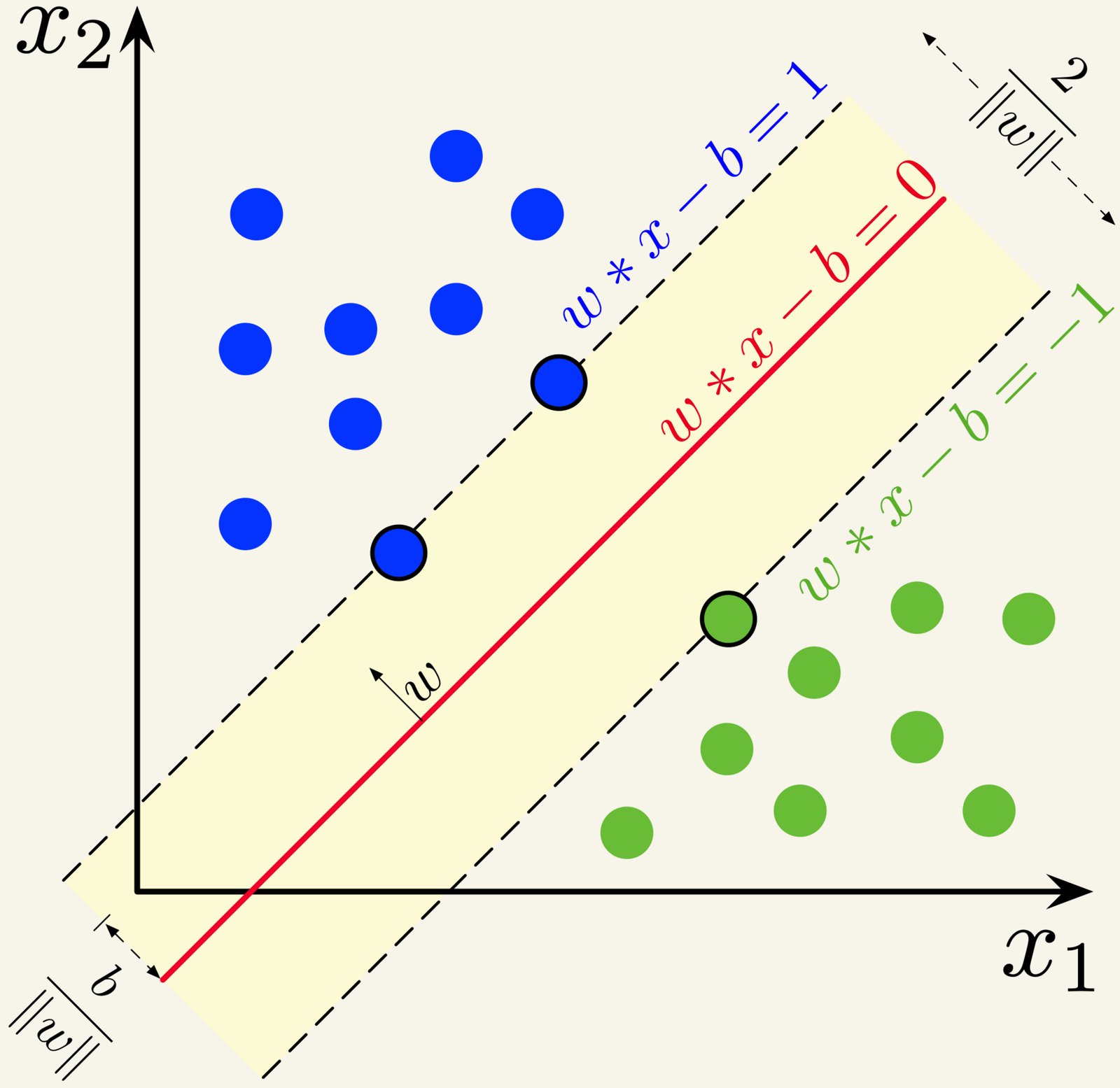
A learning rival, the support vector machine brought statistical proofs where networks had folklore. Vapnik began its theory in 1960s Moscow and Cortes made it cope with messy data. It found the single best answer every time and often beat neural nets for seventeen years. That was until AlexNet in 2012.
Text by Peter Bauman. Generative Art Timeline, Le Random.
Sources
Movements
artificial intelligence
Filed under
- Ideas
- ai history
- Technologies
- artificial intelligence, machine learning
- Organisations
- Bell Labs
- Other subjects
- Corinna Cortes, support vector machines, Vladimir Vapnik
Related moments
Le Random editorials
Le Random podcast
- Timeline Ch 7—Net Era (1990s) with Auriea Harvey, Joshua Davis, LIA, Scott Draves & Vuk Ćosić — listen with transcript on Le Random (11 Apr 2024, 77 min). Chapter 7’s episode. Apple Podcasts · Spotify